Week 1
Holidays Reflections and Mystical Tendencies
Holiday Reflections
Having just come back from a post-exchange holiday in which I was lucky enough to see so much of the world, I started to think about what kind of project I wanted to do in this final year. I gained a lot of insight into what kind of possibilities there were in the world of design. I wanted to reflect on a few things I learnt from my experience in the past semester.
1. Interactions with Technology
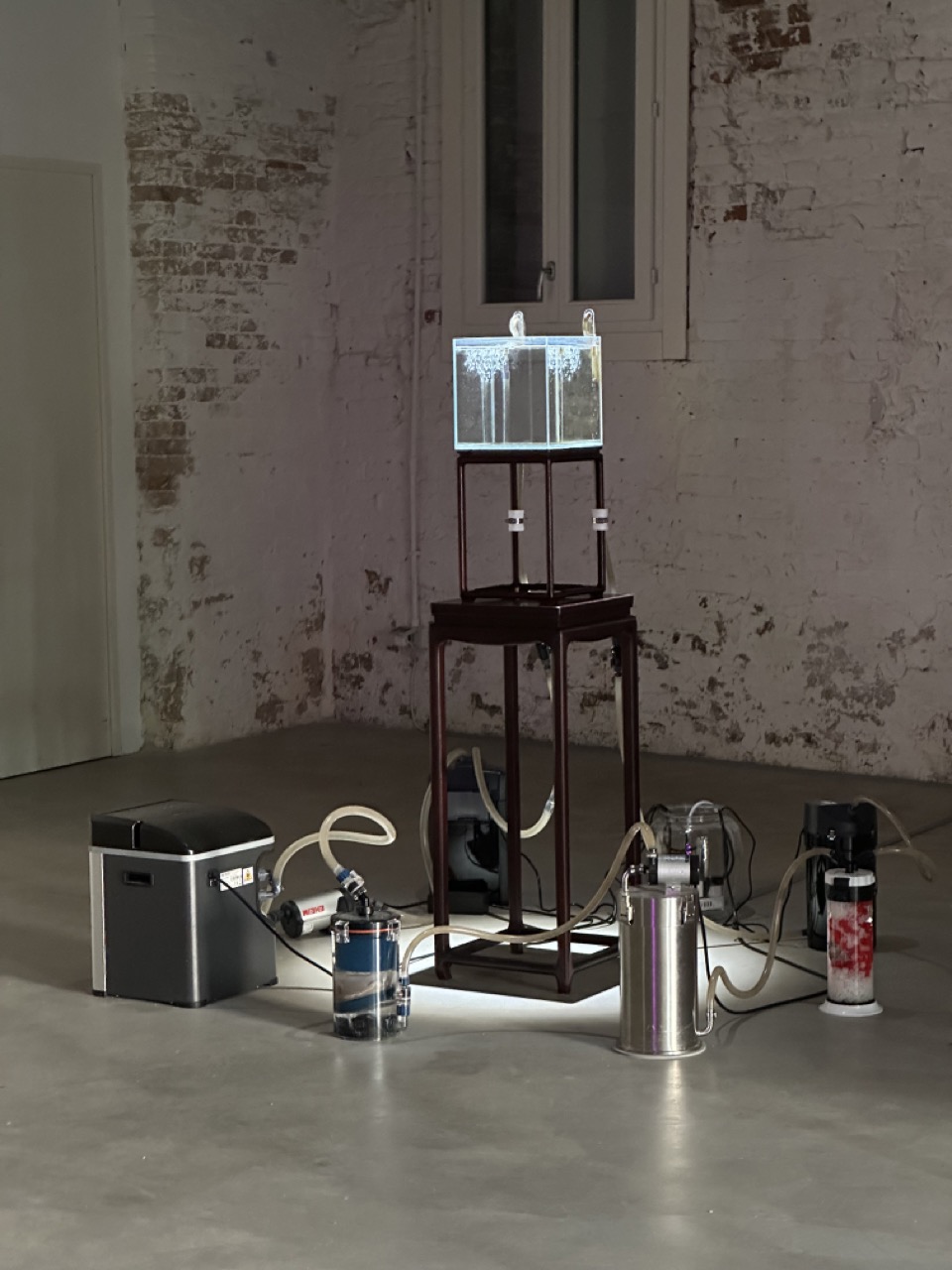
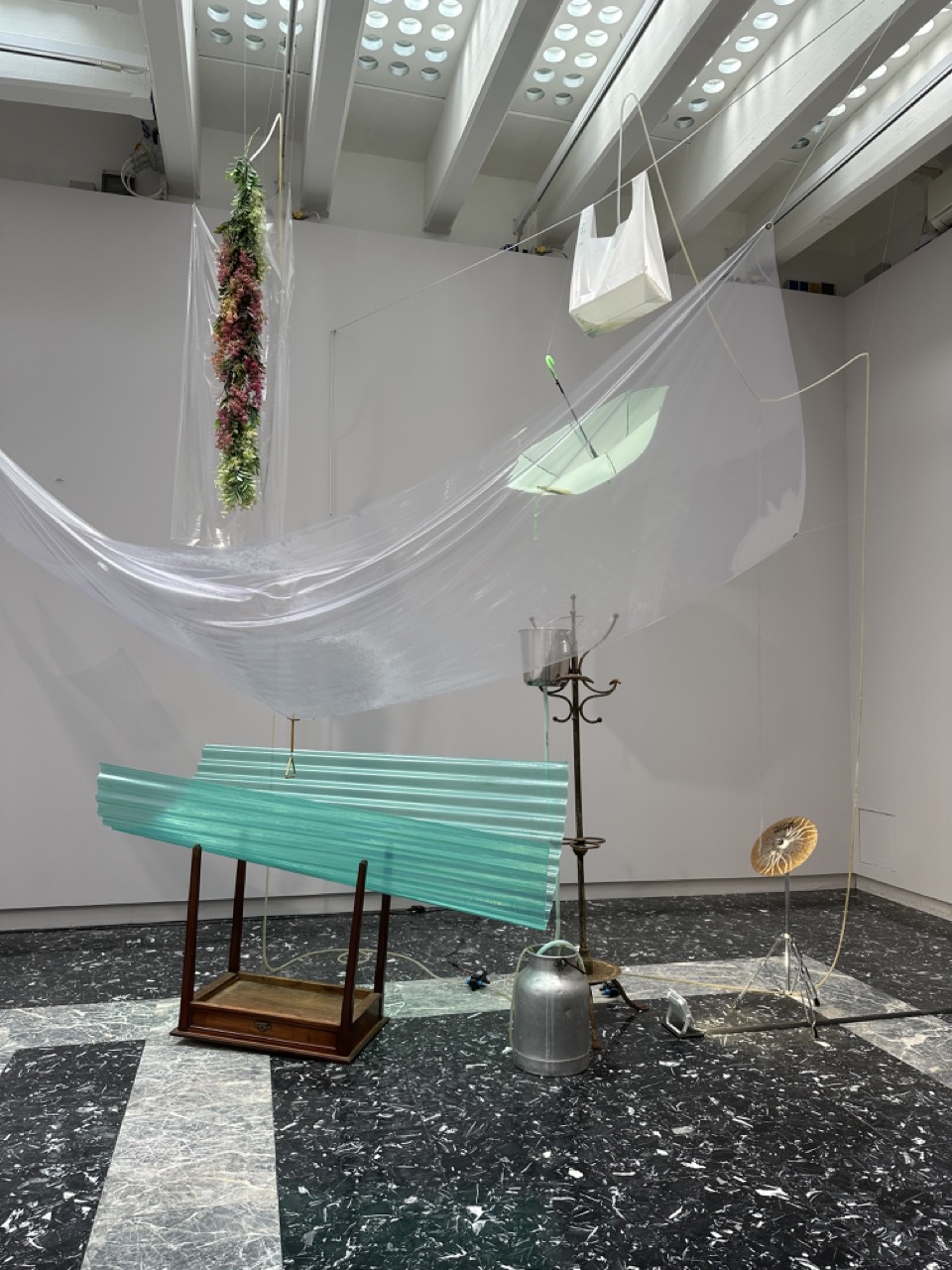
Particularly, I was inspired by works that incorporated the use of different technologies to craft a narrative. Yuko Mohri's project Decompose stood out to me. She used the moisture level of rotting fruits to control the intensity of lights in the pavillion.
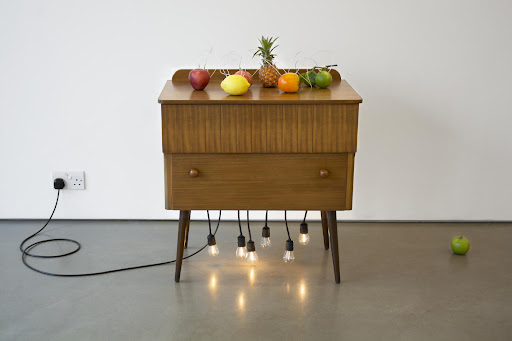
Yuko Mohri's 'Decompose'
2. Space
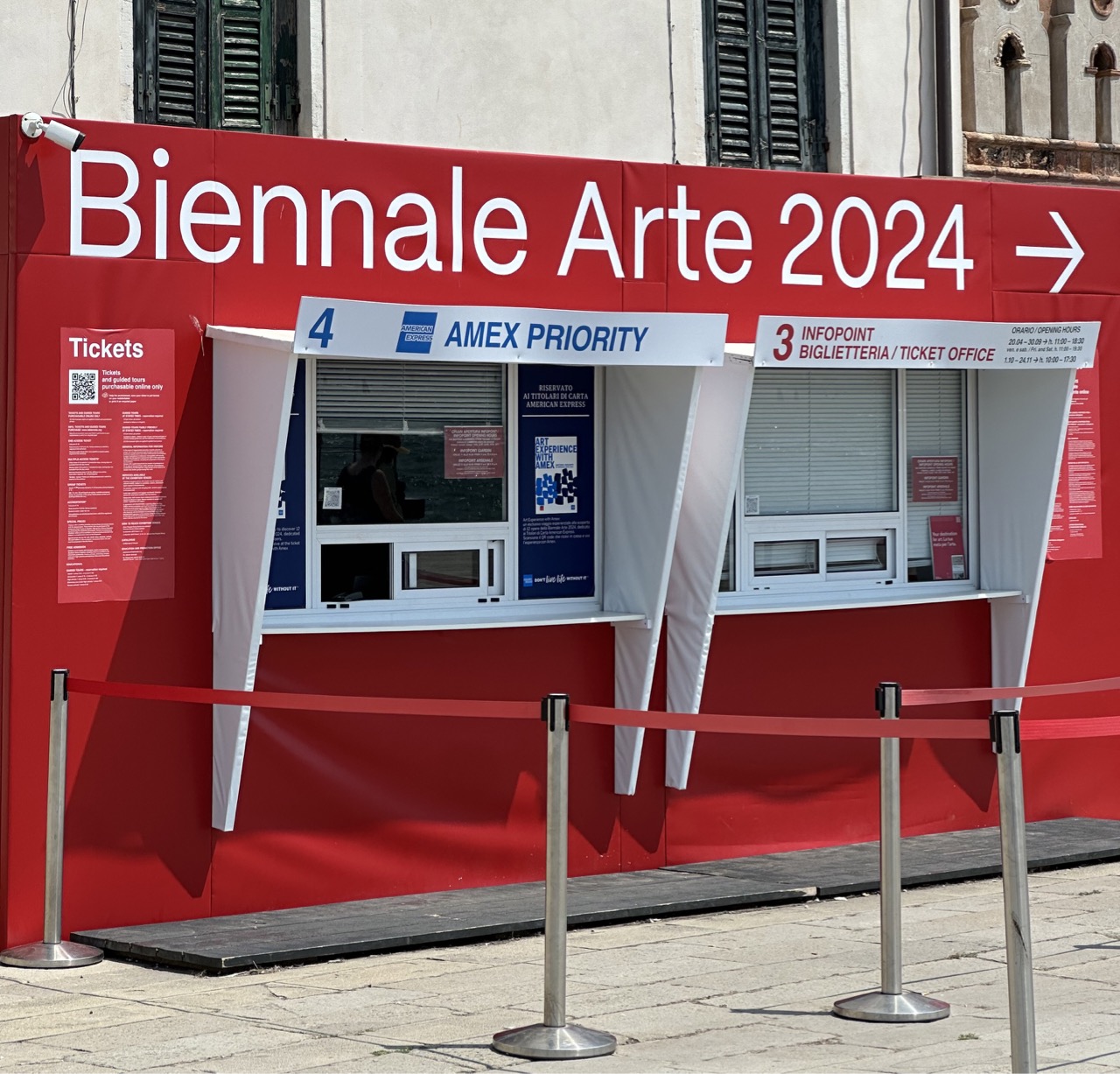
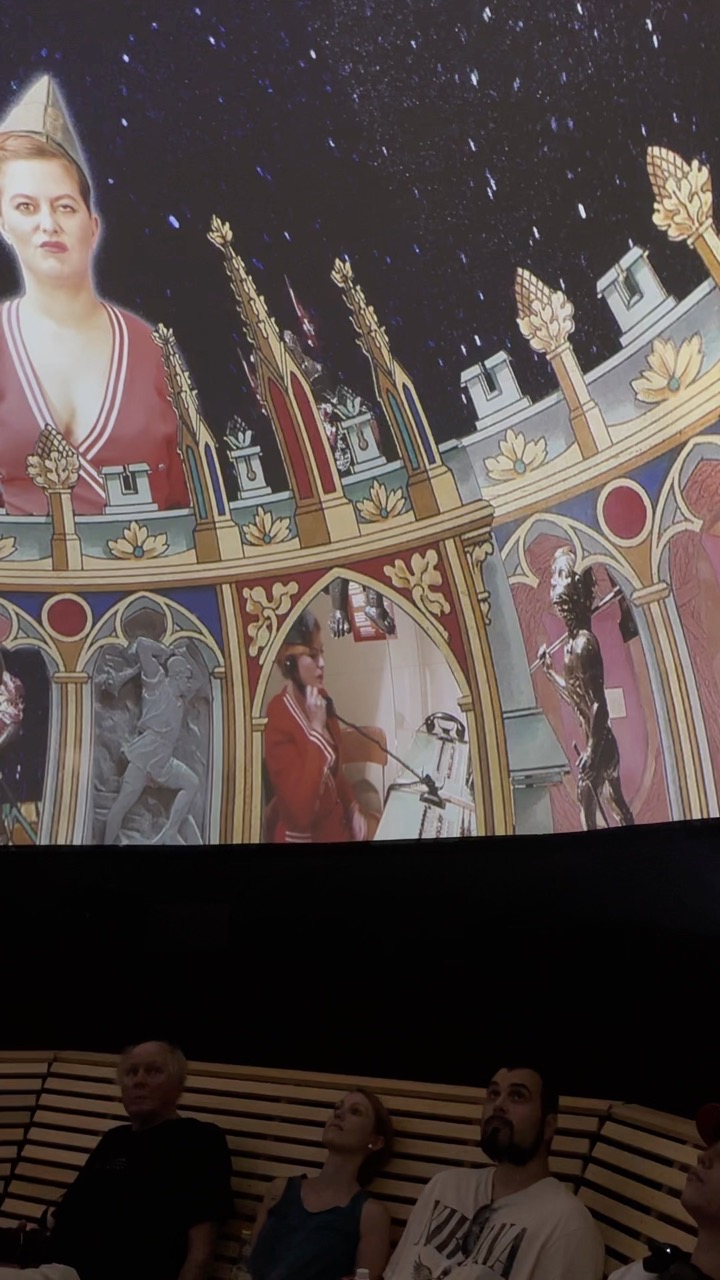
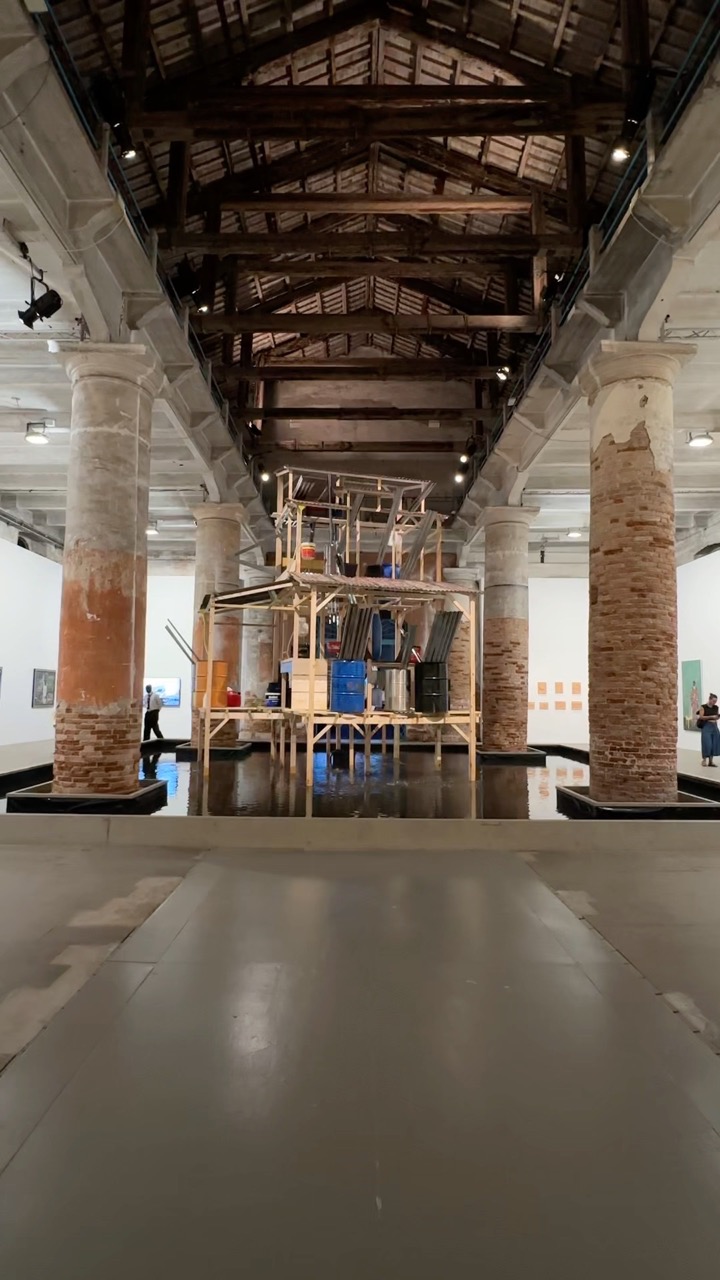
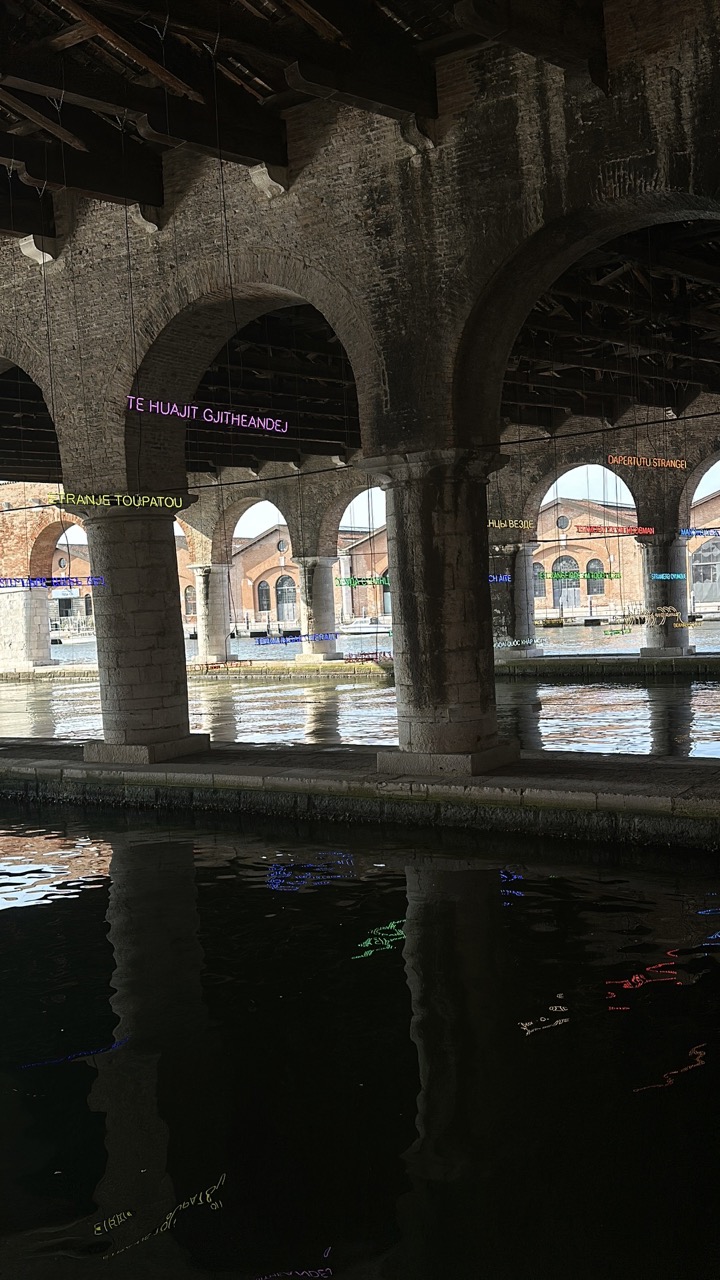
Having seen design and art in spaces provided by the Biennale also allowed me to get perspective into the importance of space and audience interaction. Considering every aspect of what goes into the experience of the audience really puts the viewer into the perspective of the artist. HAving seen Robert Zhao's works in Singapore before, I was blown away by how different the experience was when I viewed it in the space that his video installations were set in.
-
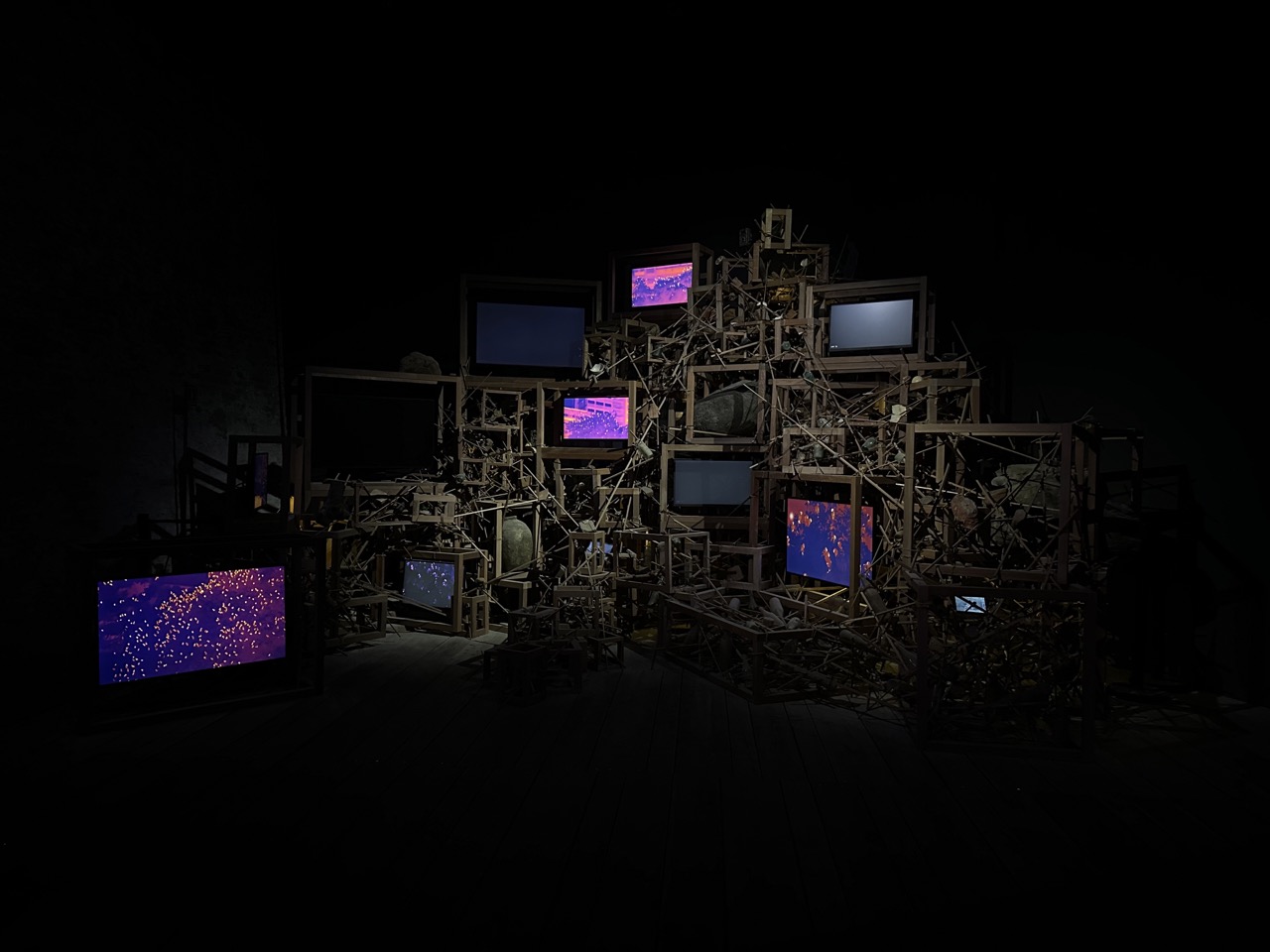
Robert Zhao's Seeing Forest
Slow AI
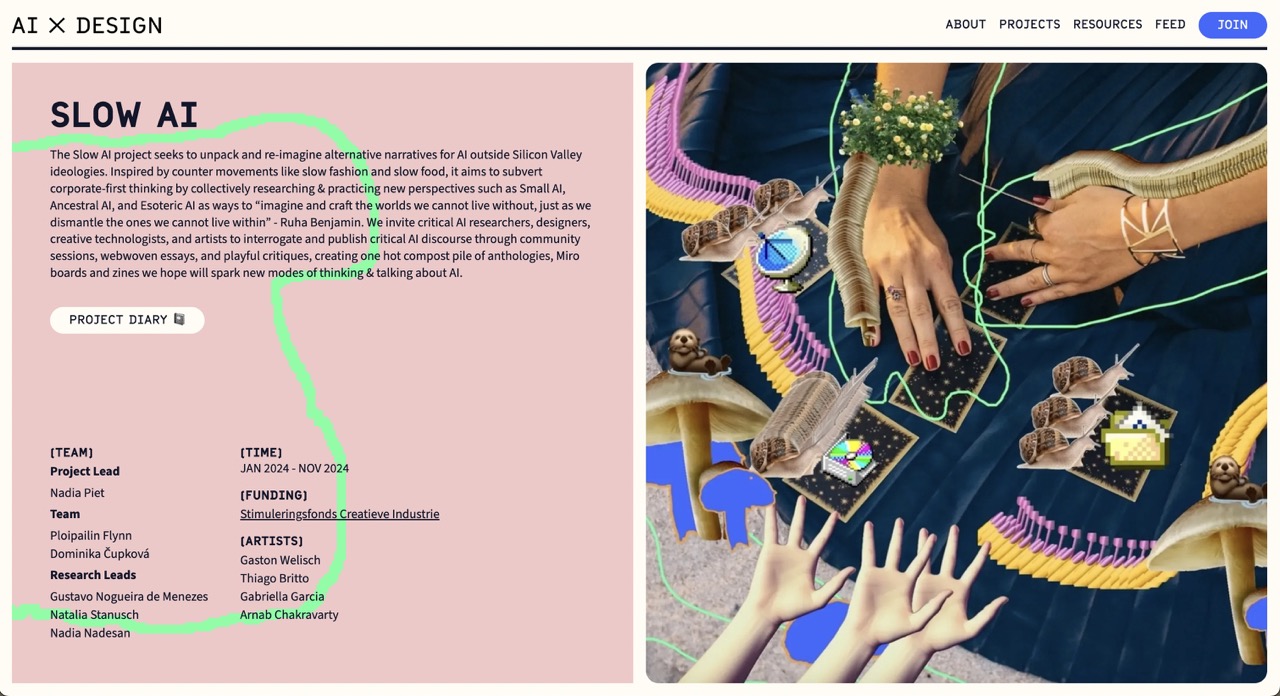
Looking through the class slides, I found the AIxDesign community. I was particularly
intrigued by the
Slow AI section, that aimed to introduce new ways of thinking about AI, ways that are vastly
different
from those we enncounter in everyday lives (algorithmic maximisation of profits, reach,
etc.) With AI
being brought up in countless industries as a way to make business more efficient, I really
resonated
with the concept of Slow AI as I'm someone who talks a lot about resisting the urge to
contribute to
the rat race we all seem to collectively participate in (sometimes against our will).
"Inspired by counter movements like slow fashion and slow food, it aims to subvert
corporate-first
thinking by collectively researching and practicing new perspectives."
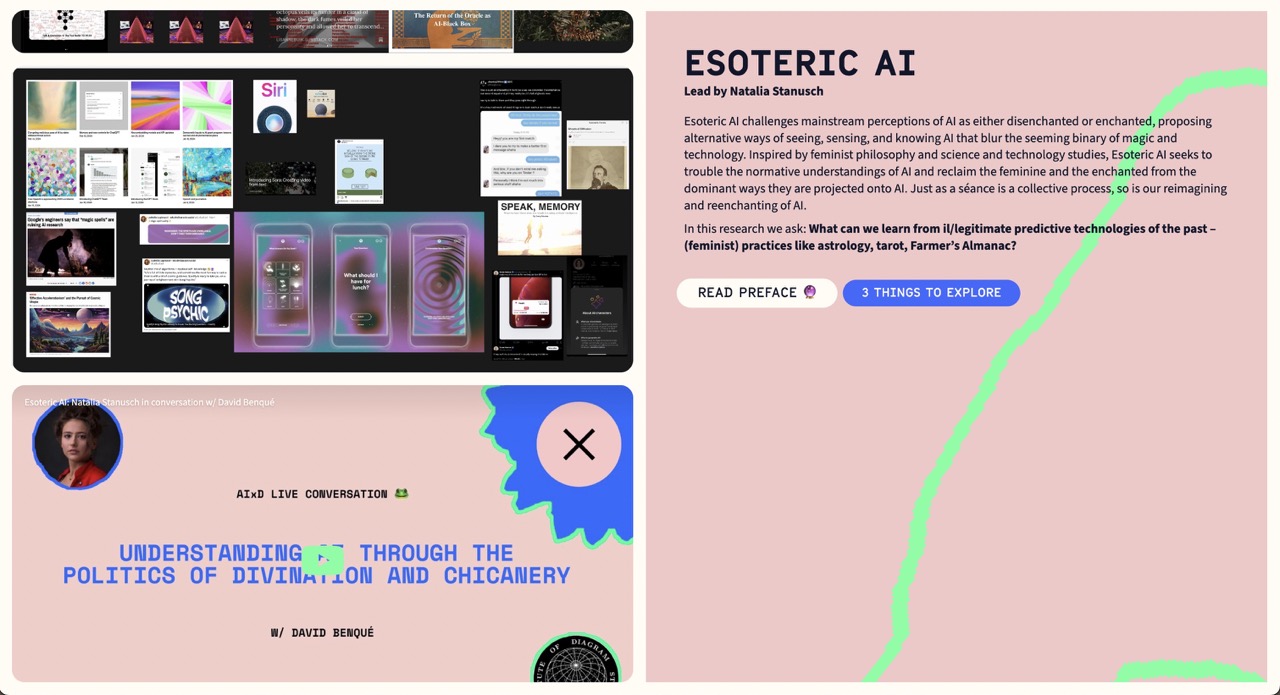
Esoteric AI was one way of thinking that I haven't encountered, which is why it was the one I was drawn to. It was the track of Slow AI that aimed to "[challenge] mainstream perceptions of AI as either disenchanted or enchanted, proposing alternative ways of seeing, sensing, and knowing AI that blur the seeming binary of magic and technology. Inspired by feminist philosophy and science and technology studies, Esoteric AI seeks to trouble the normative understandings of AI and reclaim the feminine and the enchanted from the dominant ways they are projected onto AI. Just as a séance is a collective process, so is our reimagining and reenchanting of AI."
Belief in the Mystic
Personally, I've always considered myself a skeptic to anything that I couldn't justify with science, or hard facts, whether its religion, ghosts, etc. The most I'm willing to dabble is in a little self-delusion, reading my horoscope to find some kind of validation that I had a good day ahead of me. I am, however, very fascinated with how people react to things that they can't fully understand. Watching my mother pray to the Hungry Ghosts every year certain behaviours are run by feelings and thoughts that are not immediately recognised by ourselves — is it fear, respect, or just muscle memory?
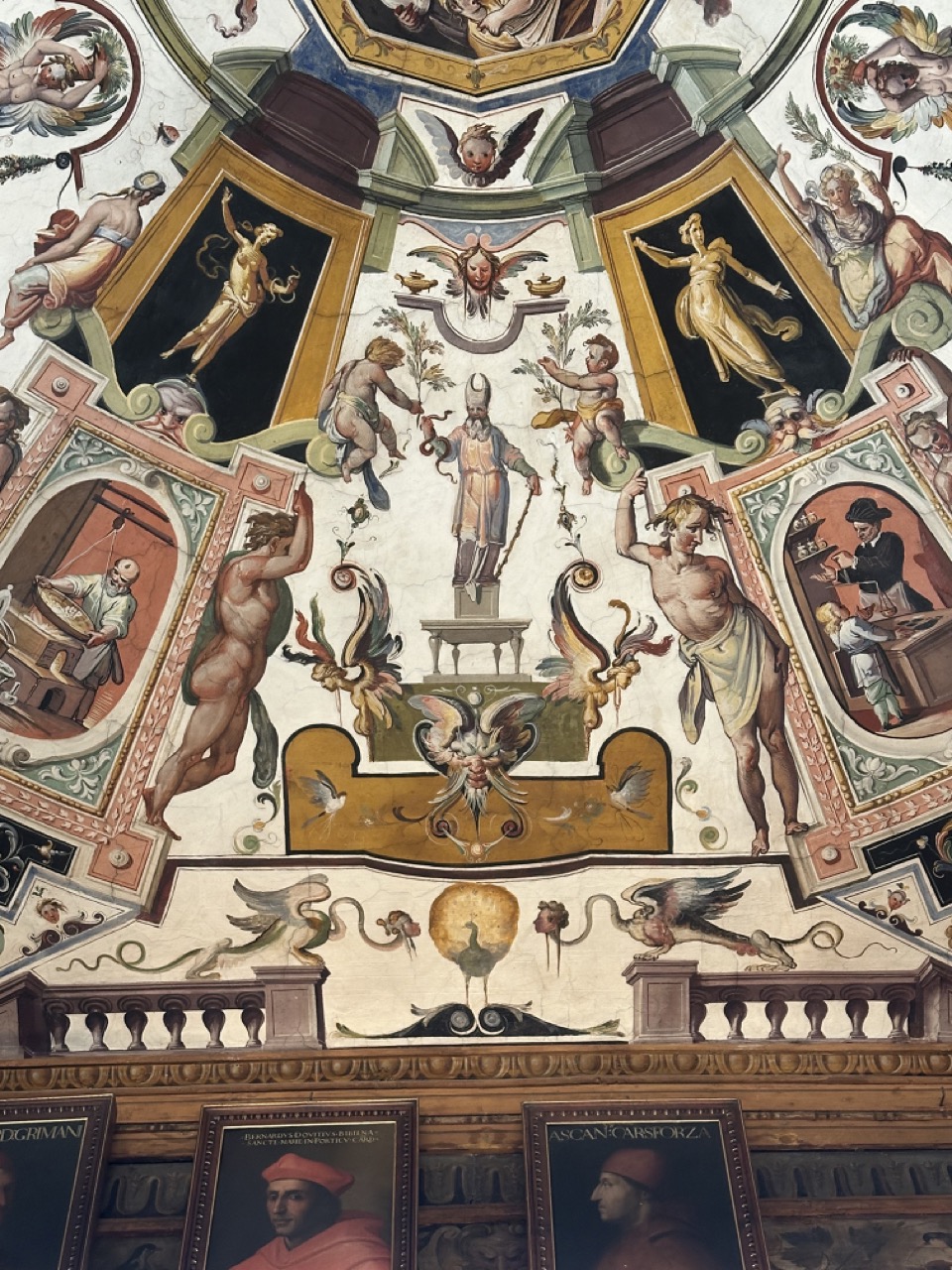
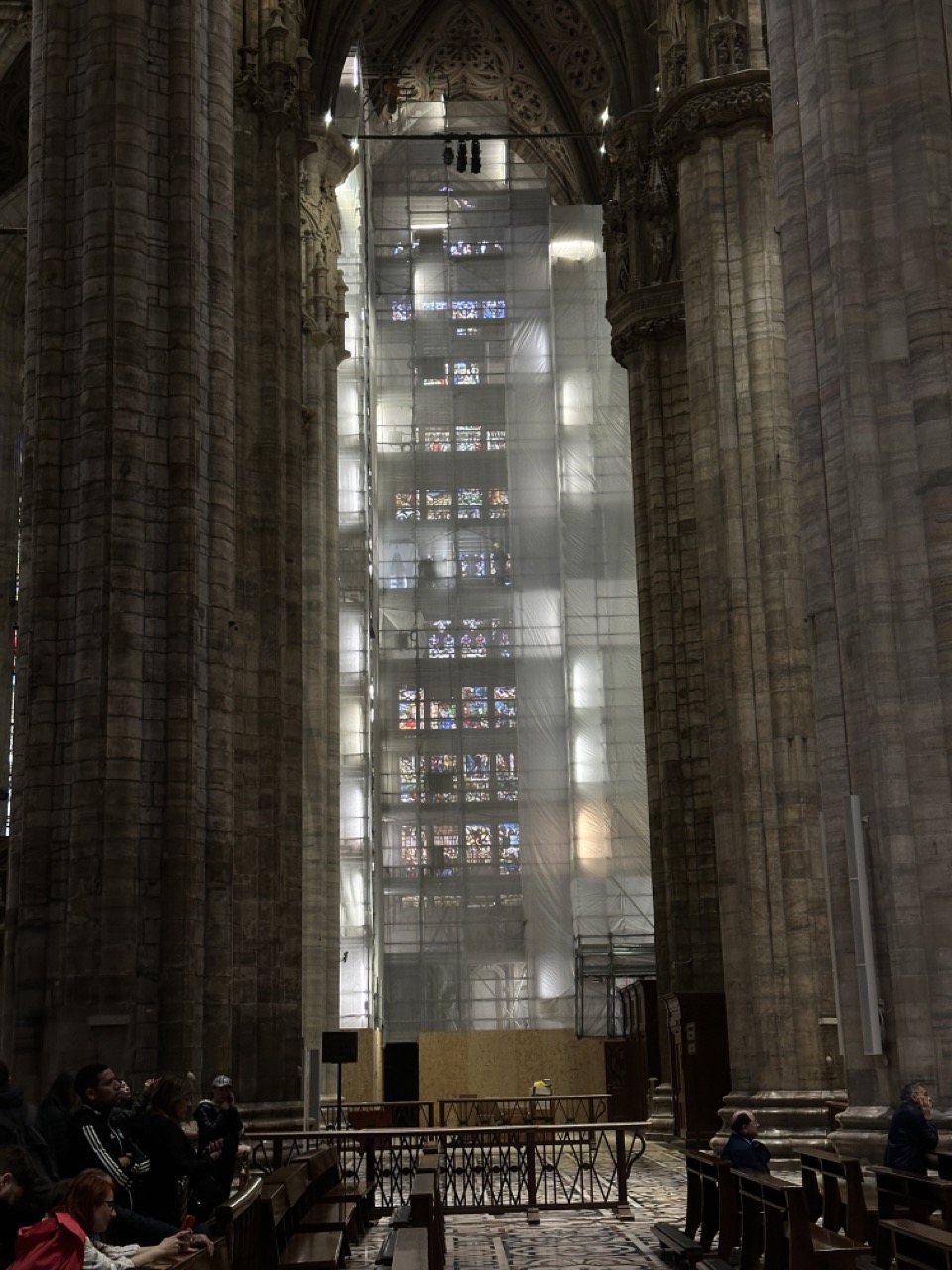
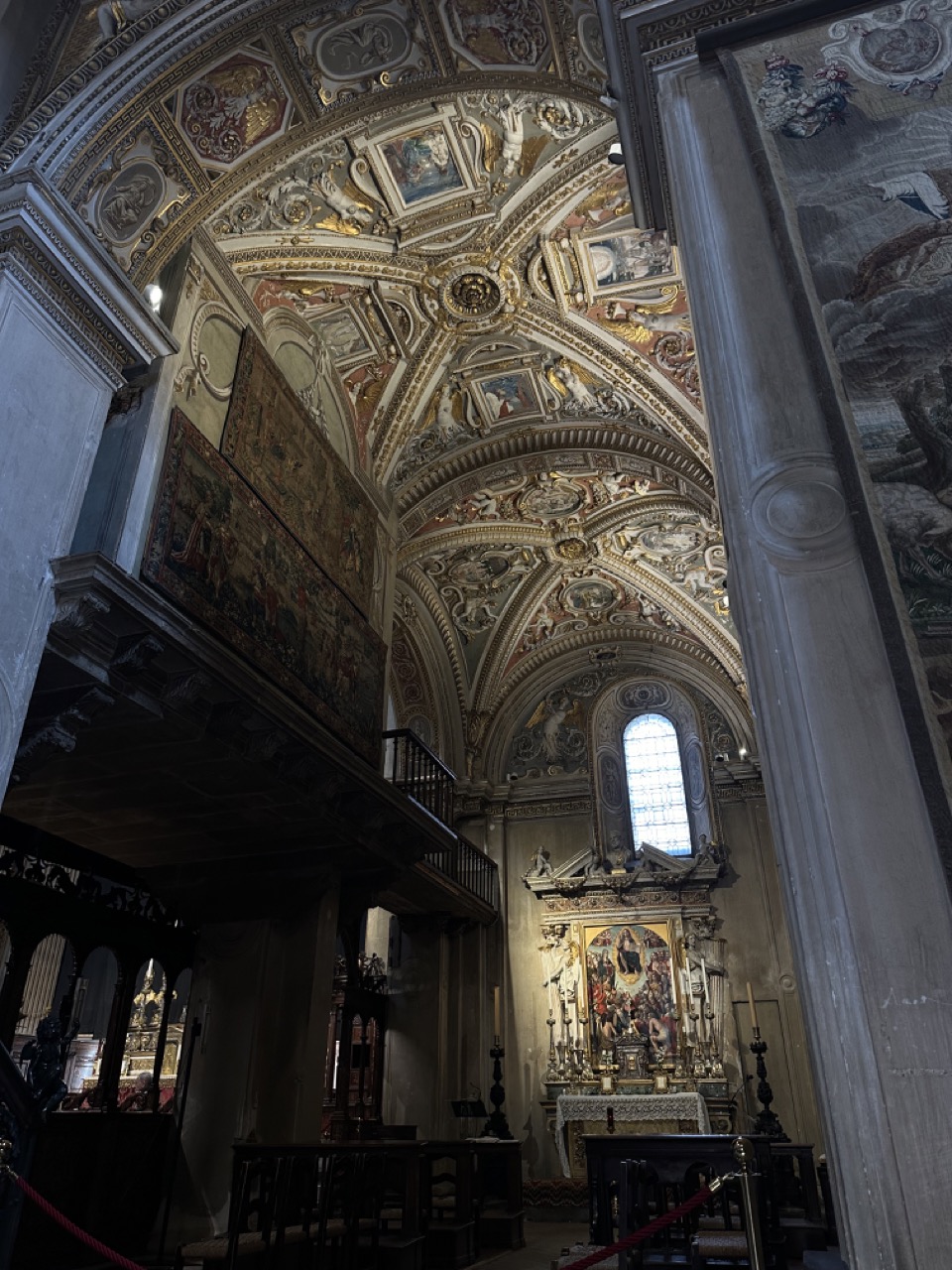
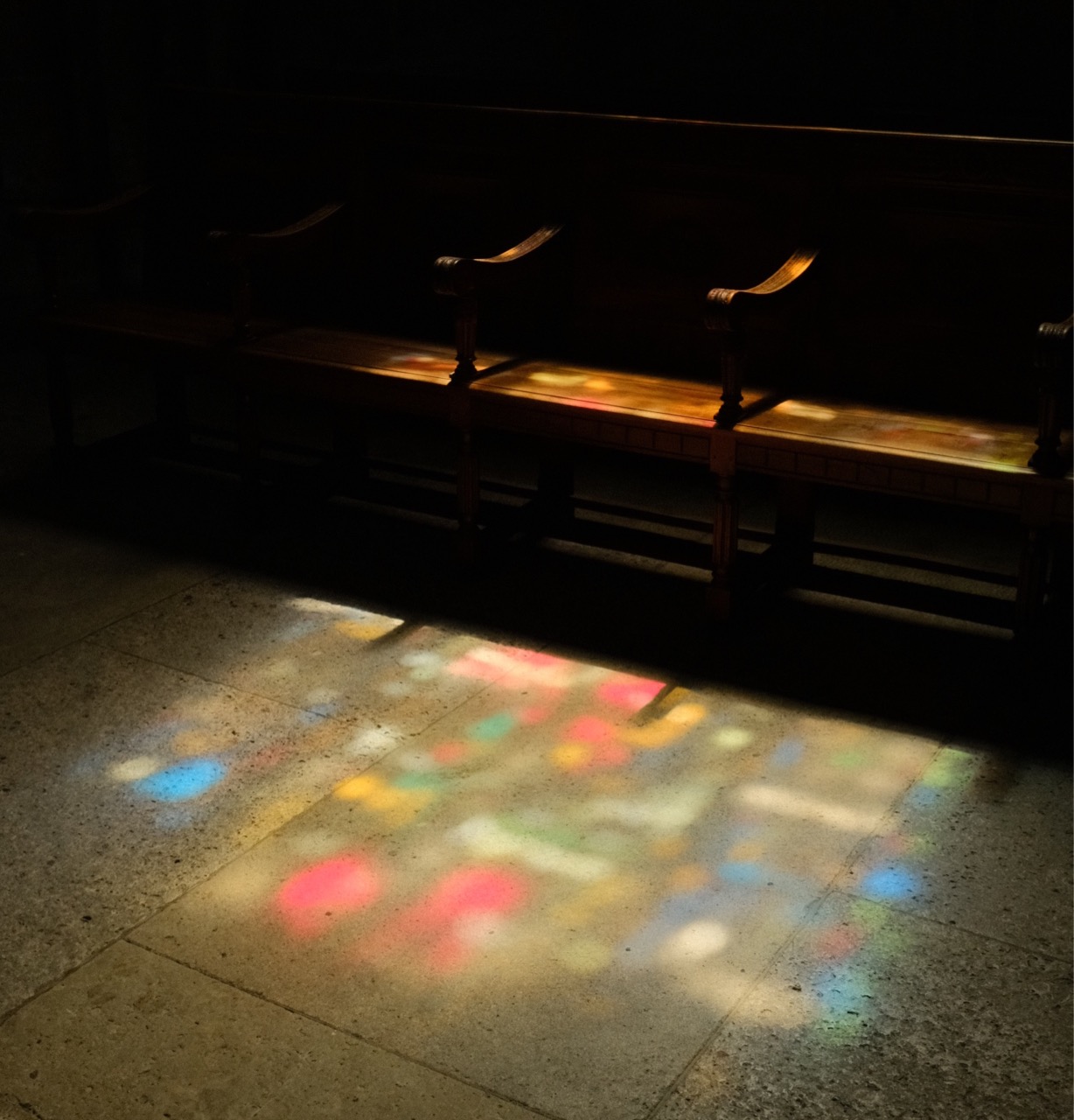
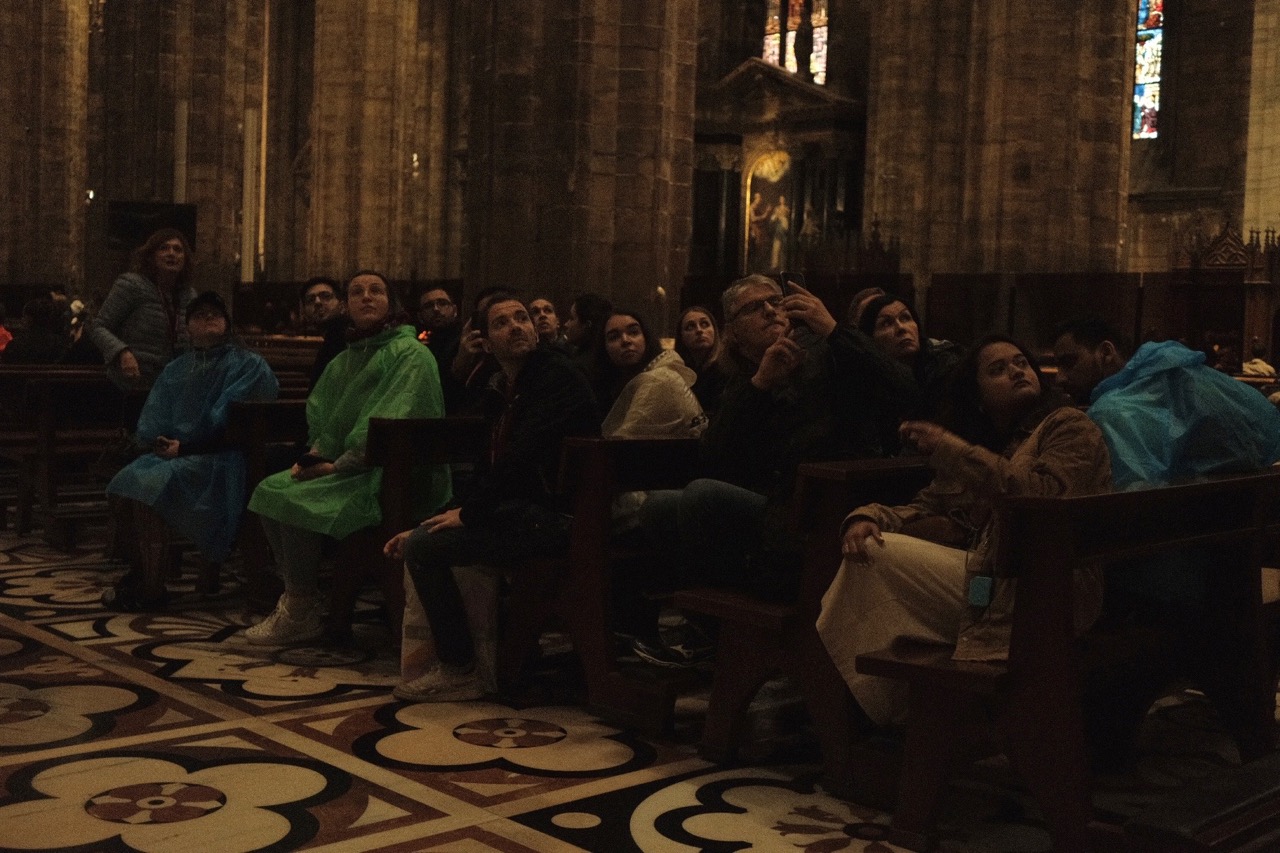
On my trips, I've also seen many many many churches, cathedrals, minsters, that people have dedicated centuries of their lives to building and making beautiful. Regardless of my (non)belief, there is no denying that devotion to the mystical is one of the most powerful drivers of culture and society that we've seen in history — devotion built by the myths surrounding Gods, Heros, etc. Even today, millions of people travel across the world to religious sites to see the beauty of said devotion. Clearly I am not the only one with this fascination.