Week 4
Mind Maps, Introduction to Divination
Class Mind Map Activity
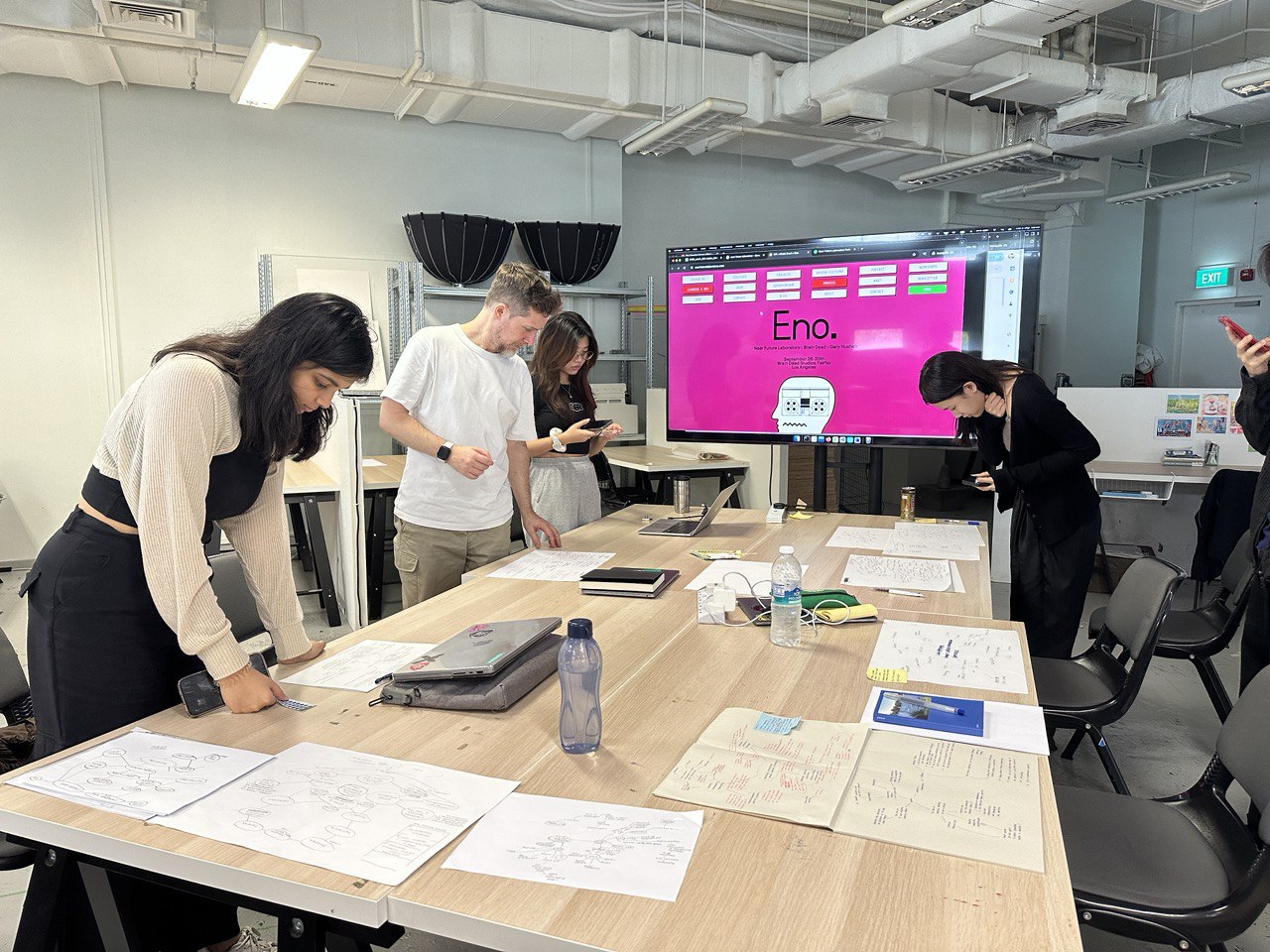
Mind Map 3
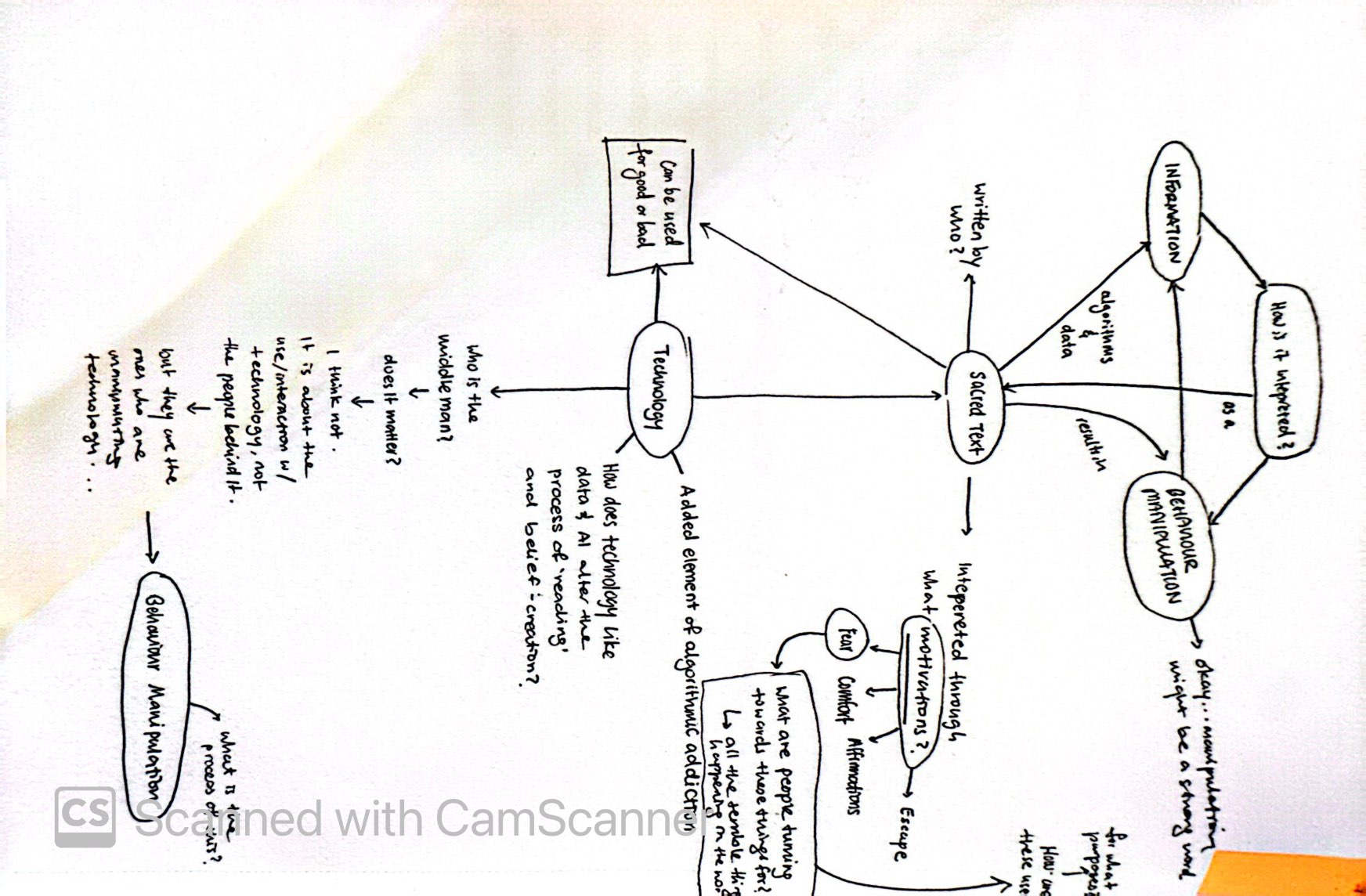
I created a mindmap for the class activity. This time, I delved more into the aspect of neutrality by
exploring the creator, middle man, and receiver of information. I felt like this made it clearer
for me to study how spiritual information is created, mediated/manipulated, and then received and
interpreted by people.
As we went around the class to stick stickers, I got to see what my classmates responded to within my
mindmap as well.
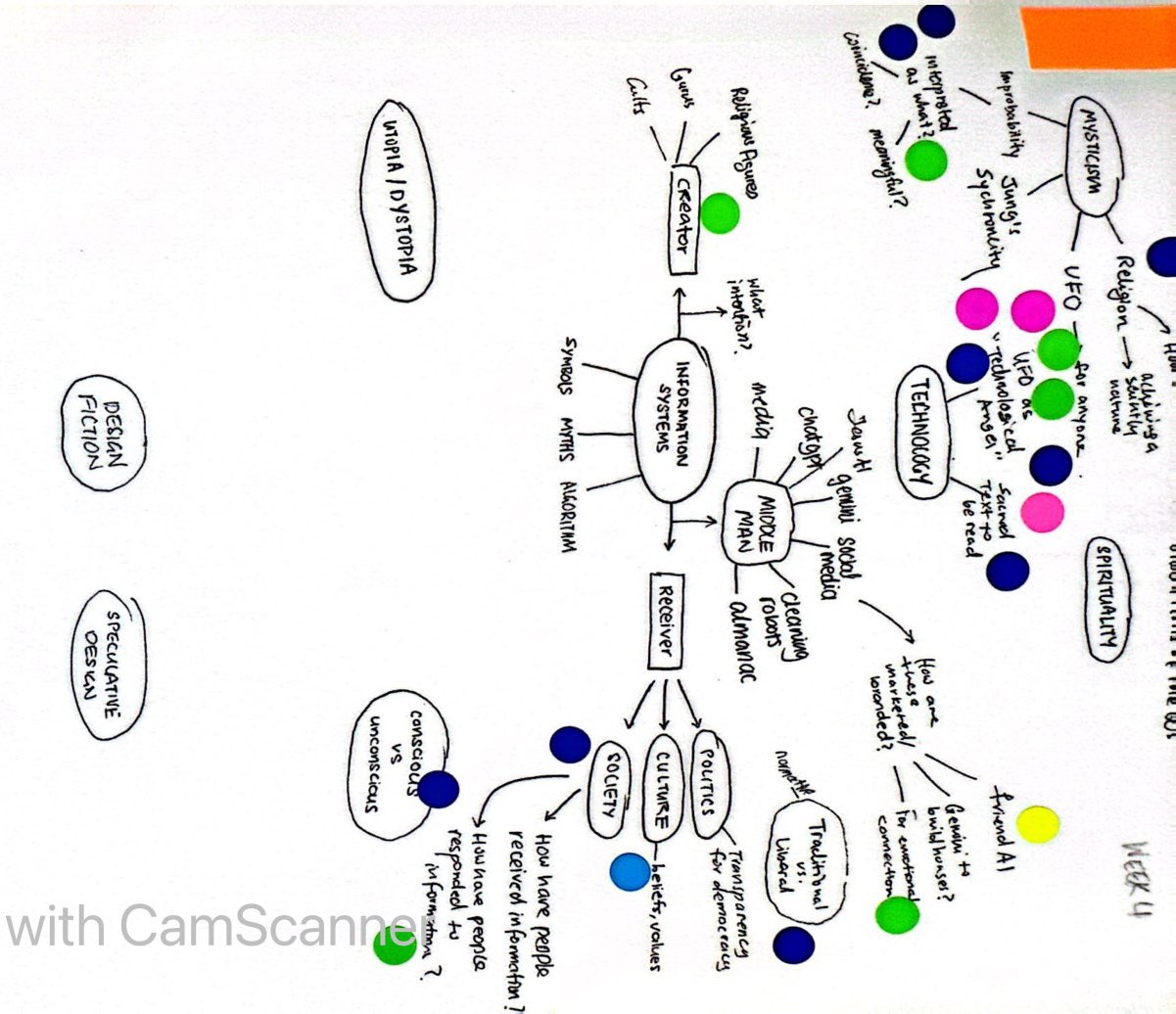
I noticed that people resonated with the part about technology (UFOs) being viewed as a technological
angel, and also as a sacred text to be read.
This further cemented two parts that I wanted to further my research and design narrative in.
1. The study of new technology (AI/internet) as a more-than-human entity, the view that it is a higher
being.
2. The view that information that we consume on the internet serve as spiritual guidance.
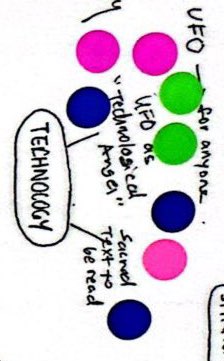
Mind Map 4
Having identified this "reading the internet", I then started to question further what might be the
motivations of the receiver when interpreting the "sacred text". When we look for spiritual guidance, do
we do it out of fear, for comfort, affirmations, or an escape perhaps?
I then questioned the ways that this process could be manipulated, or open to misinterpretation. Did
I really want to study the ways data is being manipulated on the internet through AI? I felt like
that would take me down the path of studying the mechanics of the algorithm and data, which was not
something I felt like I was equipped to do. Rather, I would prefer to study the behaviours of people
when interacting with the internet in search of spiritual guidance.
Divination
After a little research and digging, I learnt that I could capture all these thoughts under the umbrella of divination. That is, the practice of seeking knowledge of the future or the unknown by supernatural means. I would say this is the fundamental practise of all religious or spiritual beliefs, whether it comes in the forms of reading the weather, astrology, tarot cards, etc.
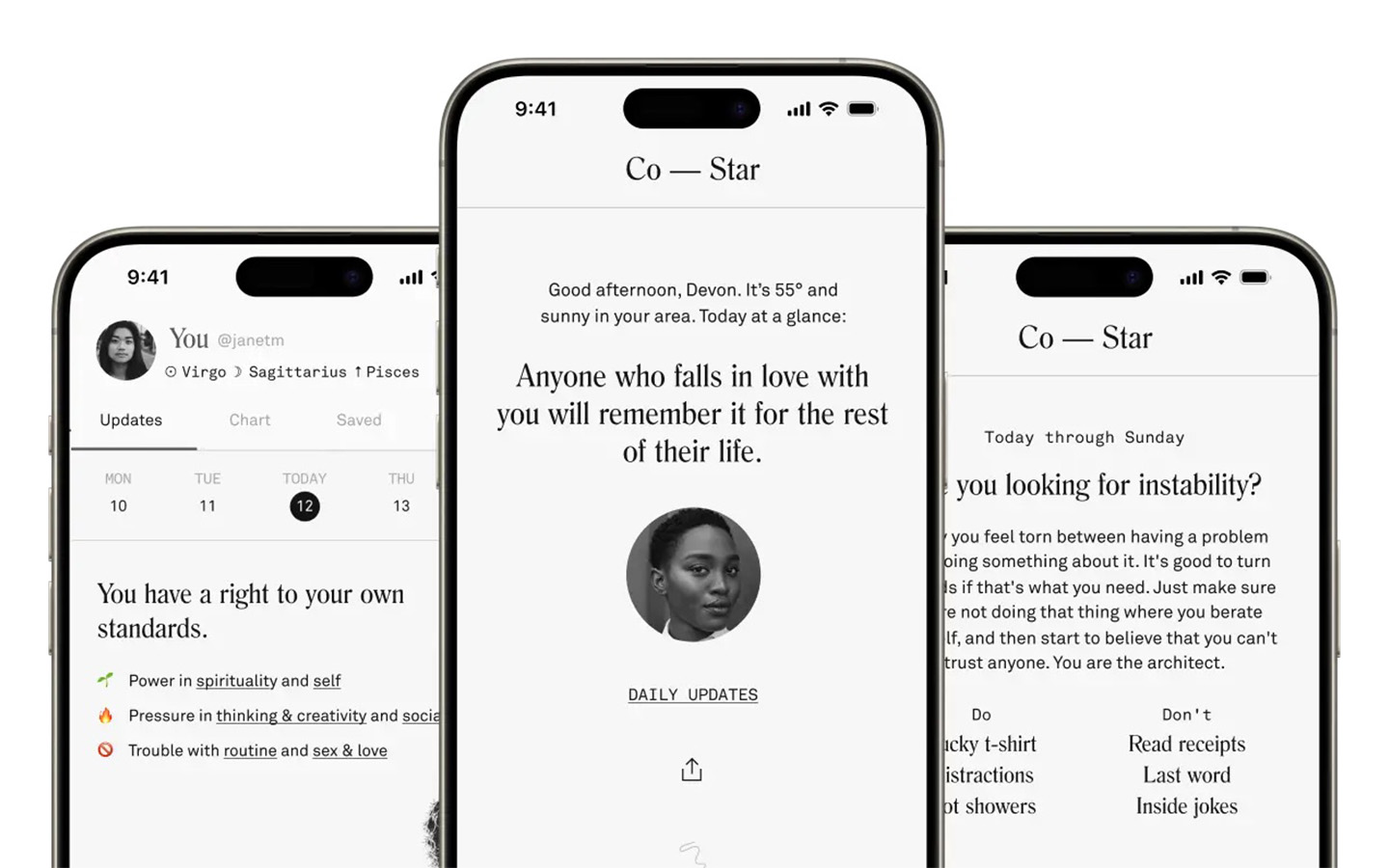
Co-Star Astrology App
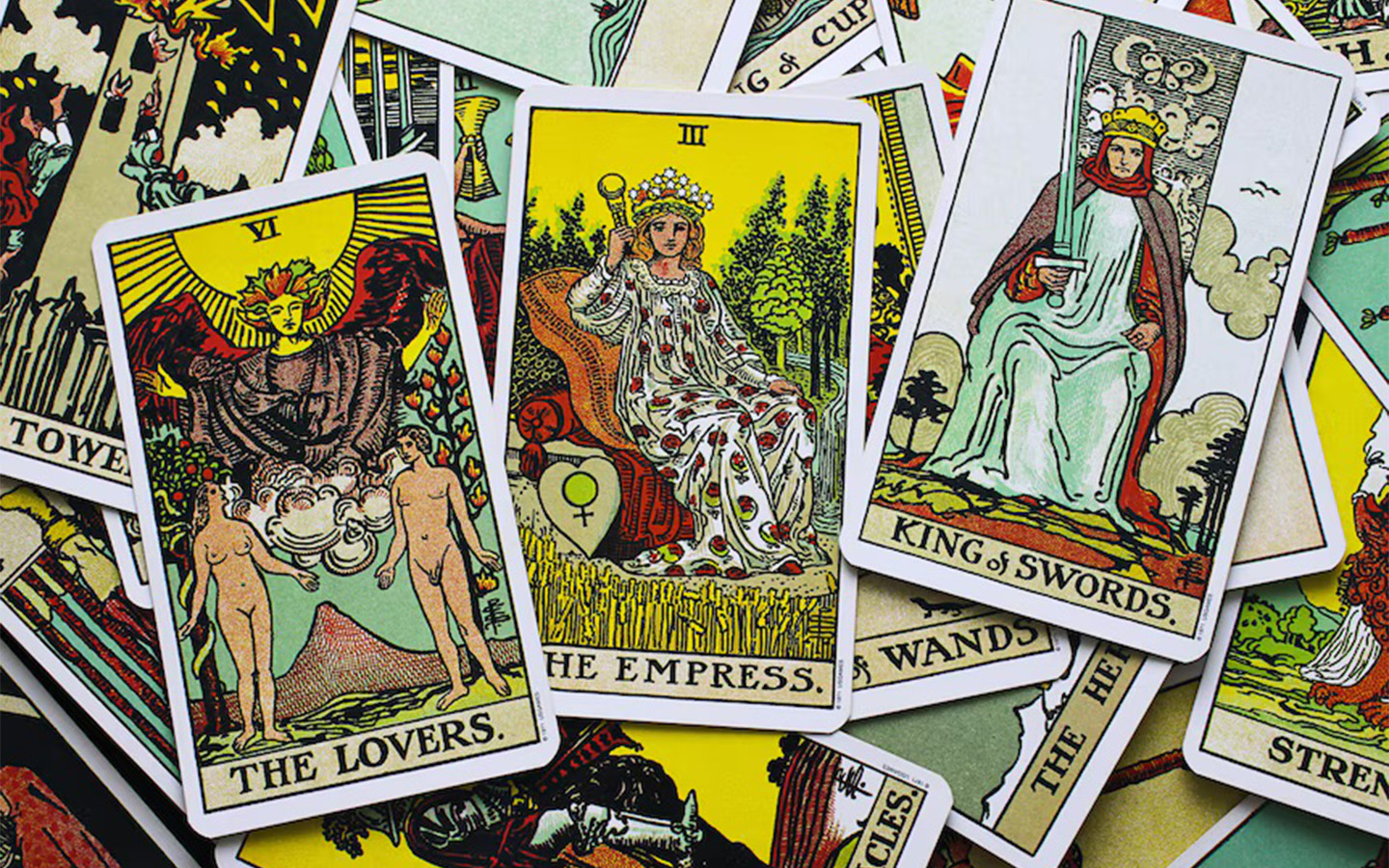
Tarot Cards
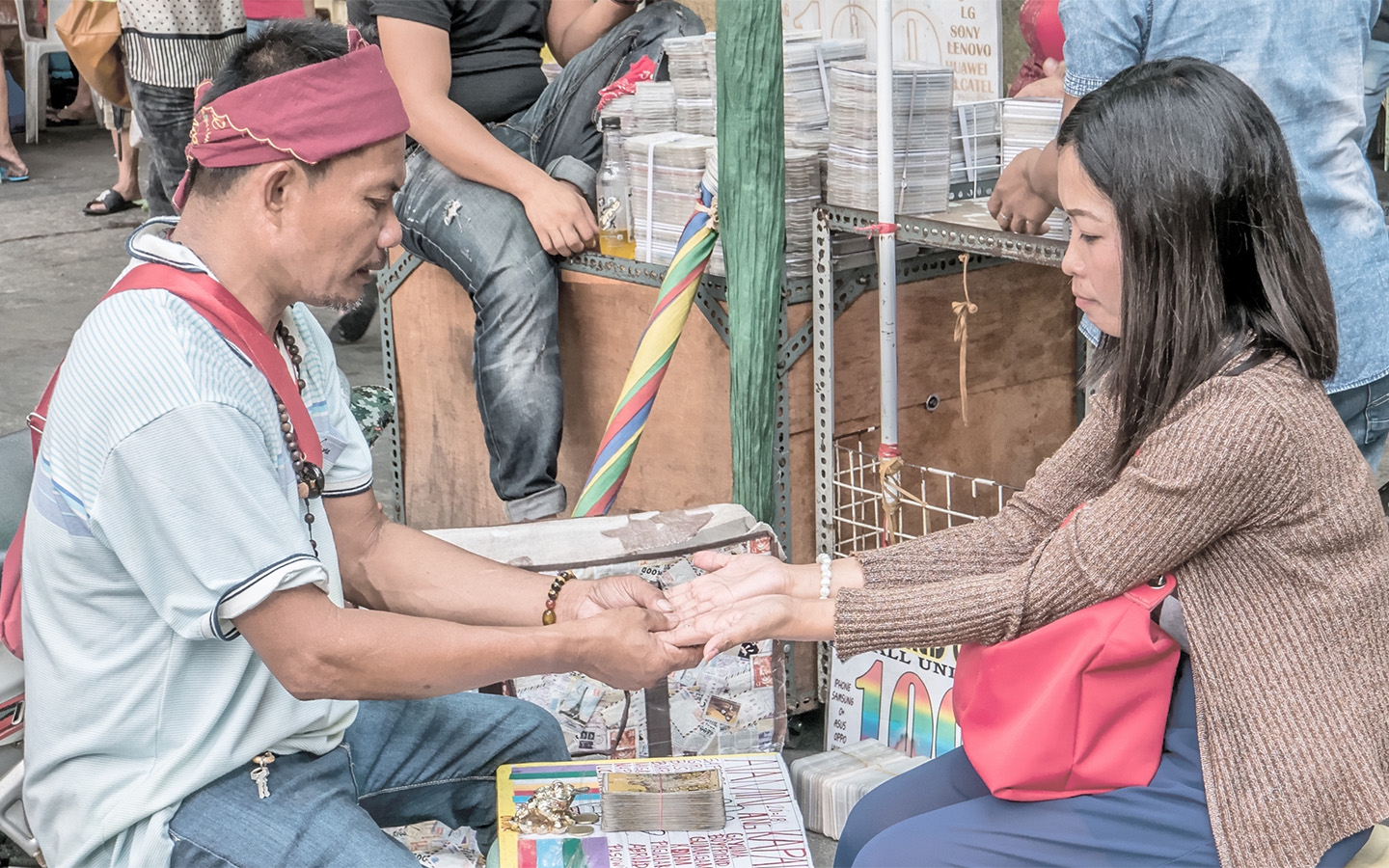
Palm Reading
I started thinking about the ways I practise divination on the internet as well (even as I claim to
be
non-spiritual/religious). I engage with discussions with friends about astrology through the Co-Star
app, which tells us what the stars have divined for our day, month, our relationships with friends of
other horoscopes, etc. I sometimes hear a song that comes up on shuffle on spotify and go "OMG I was
just thinking about that!", even though I probably wasn't.
Of course, the last example was more of the interpretation of coincidences (a concept that was
extensively studied in Carl Jung's theory of Synchonicity), but there's no denying that such
casual remarks do tend to manifest in real life behaviours.
Rethinking the power that the shuffle function has on the trajectory of my day...
Rituals and Technology
I also stumbled onto an article by VICE talking about rituals and technology (superstitions).
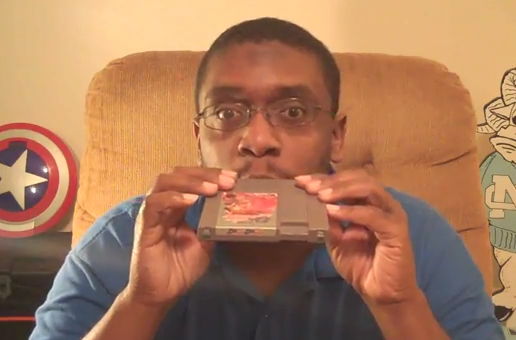
Blowing into a cartridge even though it's been proven not to work
When humans know just a little bit of how something works, the rest of it gets relegated to the
realm
of mystery and magic. Today, technology is our magic, in a sense: As increasingly complex and
capable
devices fill our lives and begin to perform more and more instantaneous tasks for us, your average
consumer understands less and less about precisely how these miracles are performed.
The writer posits that when something is magical to us, we develop rituals to create the belief that
we
can control the uncontrollable and the inexplicable. For instance, we now know that blowing on
cartridges may have actually caused more problems than it solved. But because collectively our
anecdotal experiences had led us to believe that blowing had some positive effect — it seemed to
work, even if it took an unpredictable number of puffs, amid all kinds of other unknown factors — we
established a ritual.
All this to say, there is a power that belief holds in guiding our behaviours regardless of "rational" reasoning, and I believe that technology bears countless practises and rituals from which we draw meaning from. As new technology grows everyday, there is a constant creation of new mediums from which we derive meaning from. How do we make ourselves more aware of these practices so that we can still practice them with criticality?
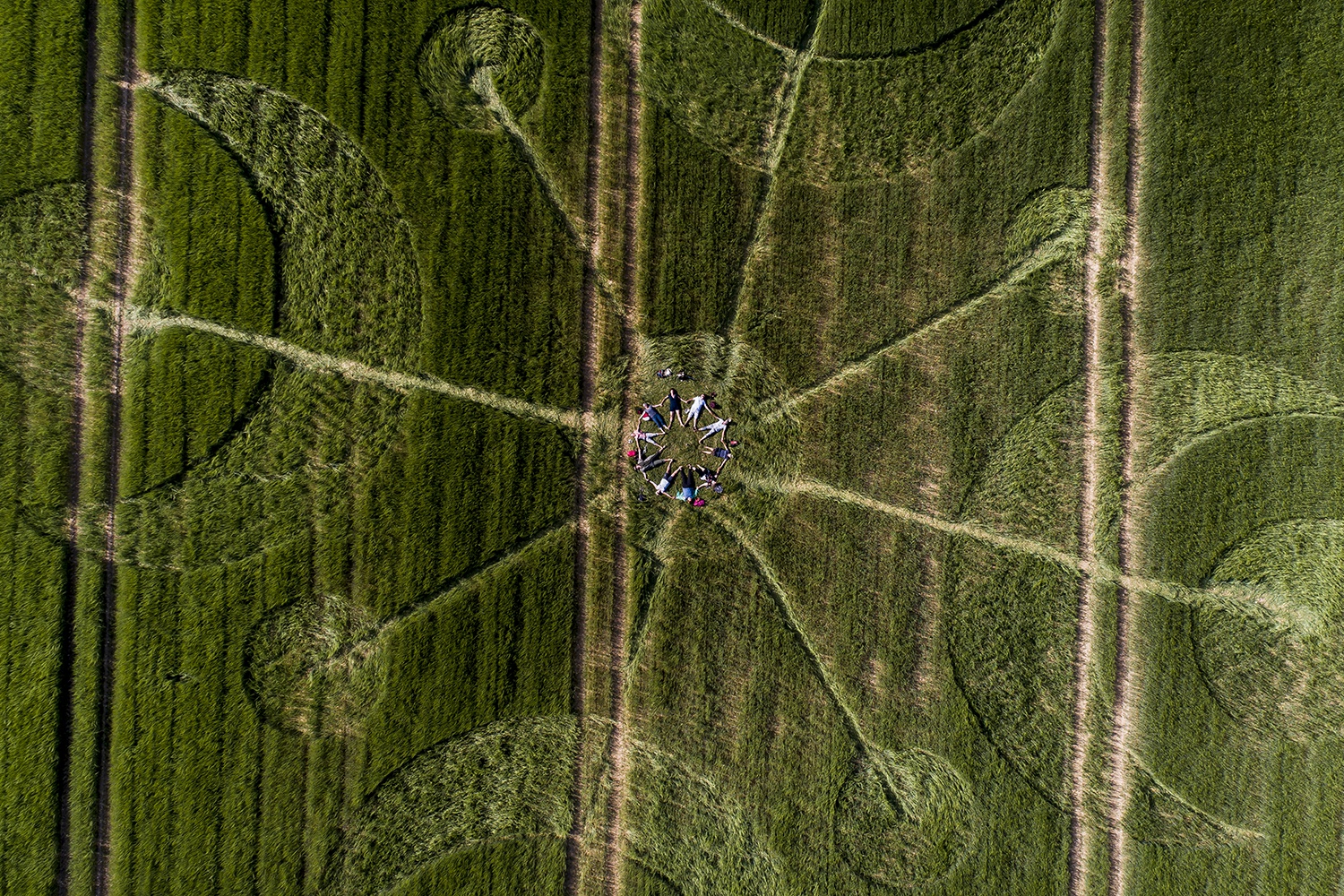
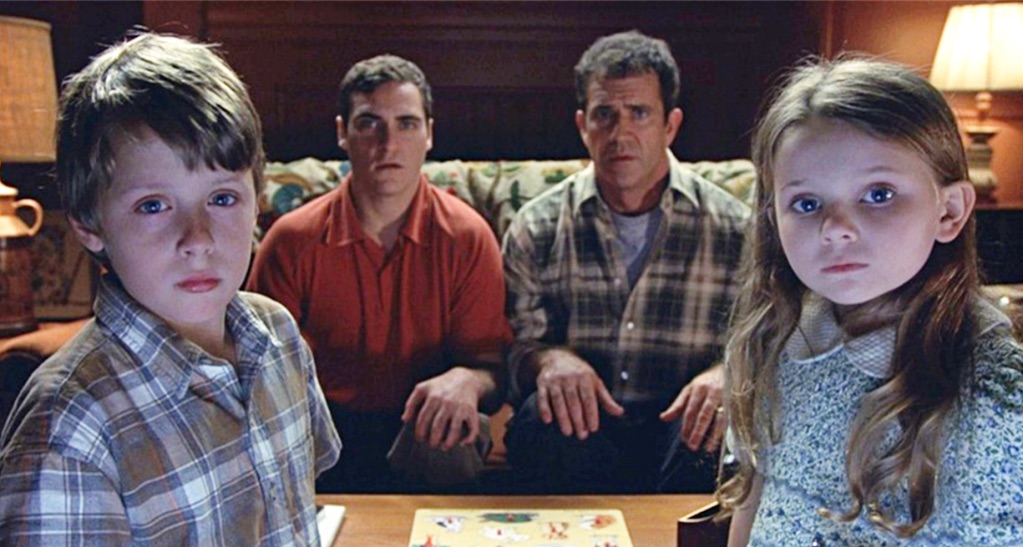
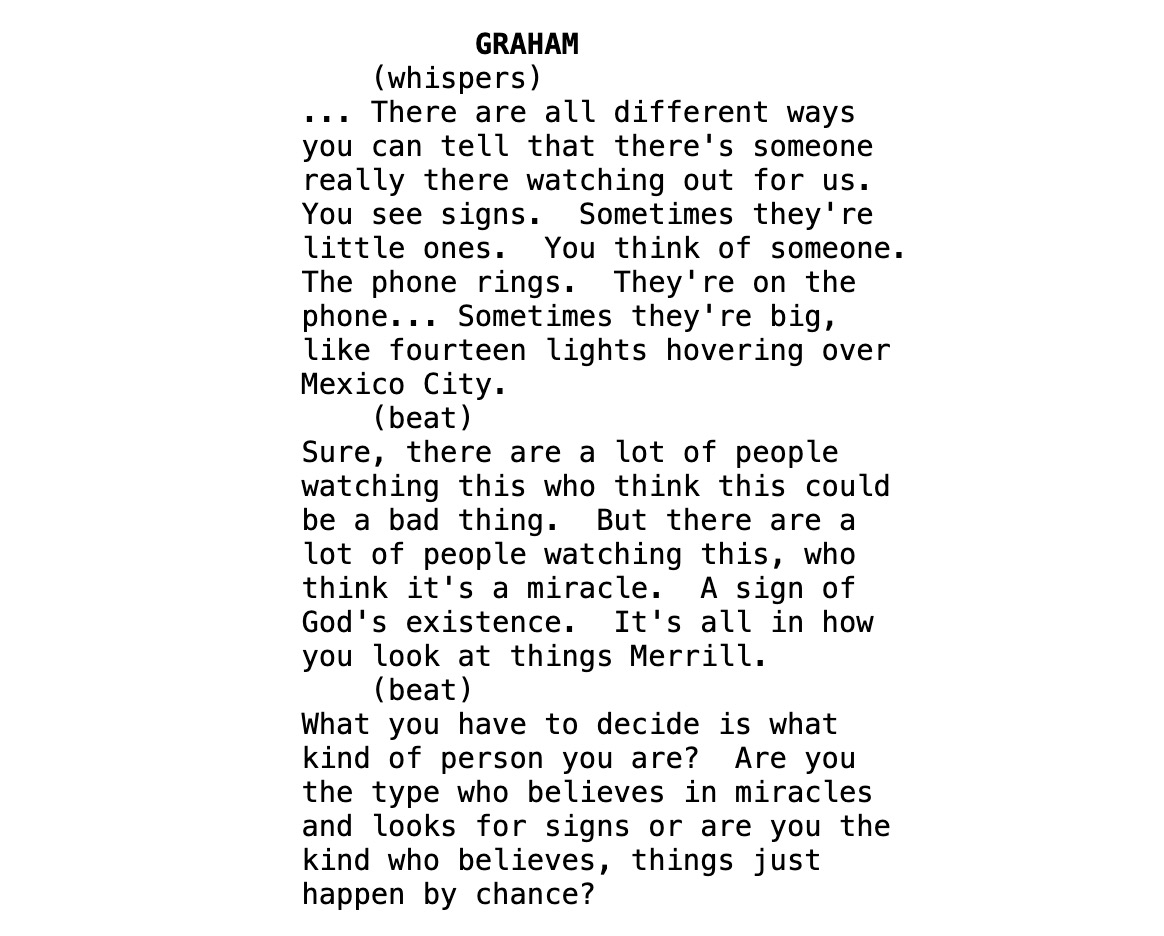
Script excerpt from 'Signs'
Signs (2002)
This week, I came across the movie Signs again. The last time I watched it was probably a decade ago. Watching this movie with this new perspective now, however, was interesting to me. In the excerpt from the left, the protagonist and his brother were having a conversation about how people interpreted the aliens' arrival. Some people viewed it as a bad thing, but others viewed it as a sign of 'salvation', a sign that something larger exists.
We probably see little signs in most things we do – little moments of instinctive meaning-making. How do we interpret the signs for good or for bad? Why do we interpret them as so?
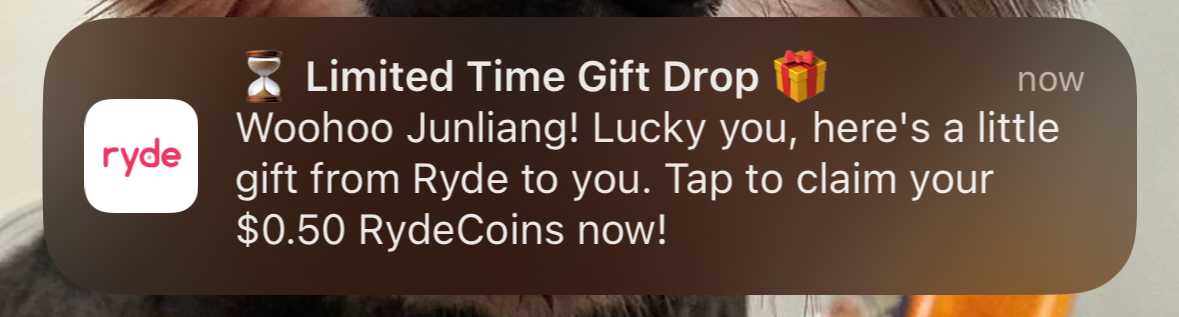
A sign from beyond...
Maybe the arrival of the internet is, in a way, an alien invasion. Our phone lights up with new messages from the unknown, asking us to "look out for hot deals", "xxx has sent you a message", etc. The presence of this alien is subtle, always in the background, not always visible, but always providing information for us to make meaning off.
What will we make of this alien presence? Does it come in good will or bad faith, what are its intentions? What is the language it uses to speak to us and what is it communicating?