Semester 2, Week 8
Techgnosis, RPO Development
Techgnosis, Myth, Magic, and Mysticism in the Age of Information
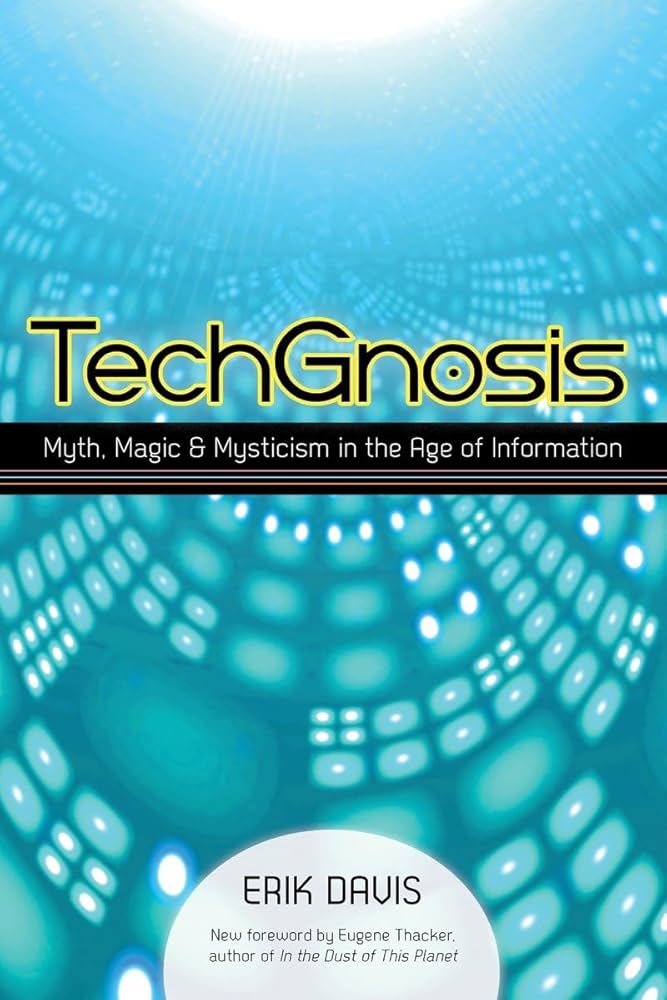
Erik Davis' "Techgnosis"
This is an old book from 1998, but in my opinion, it contains information that is more relevant
than ever. Gnosis simply describes knowledge of spiritual mysteries. Davis traces the history of
technological innovations—from the telegraph to the internet—and shows how each has been infused
with mystical hopes, spiritual aspirations, and utopian dreams.
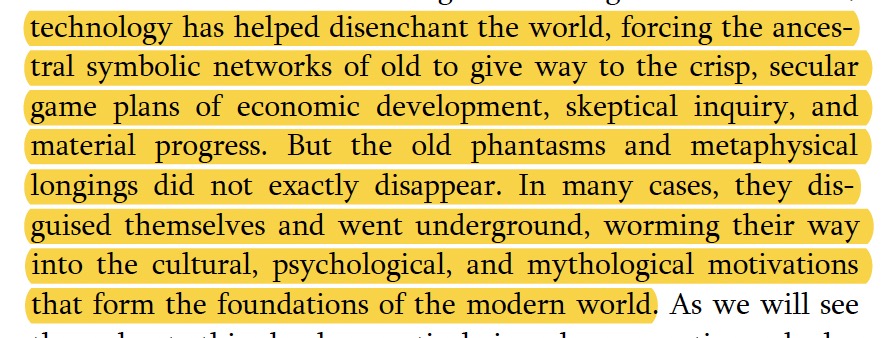
When analysing technoculture, it is then pertinent to consider how spirituality forms part of the
new cultures that are created through innovation. With the rise of AI, technology has never been
wielded more potential to be an "all-knowing" entity. I am then reminded of Ramey's study of
neoliberalism and how the perspective of divination has created new potential for solving
problems.
Divination Runs the Attention Economy
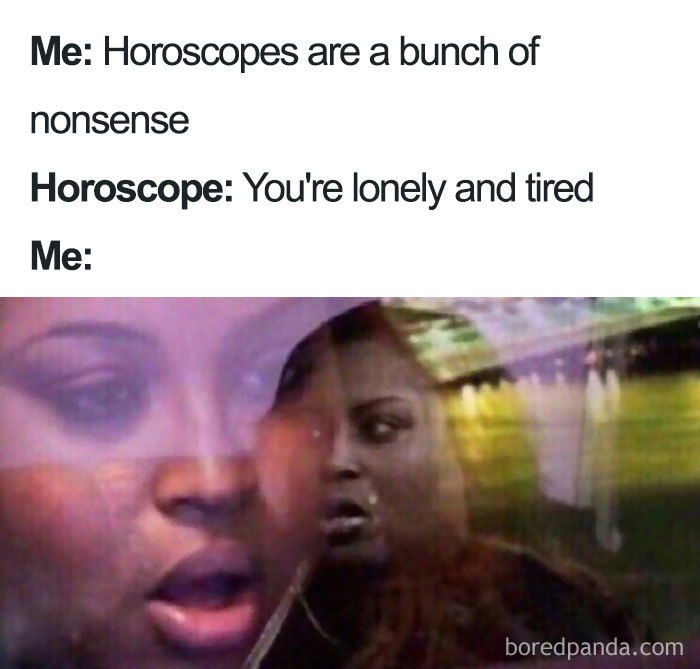
In today's post-internet society, constant interaction with the internet (some say addiction)
has created so many more opportunities for meaning-making that inform the self, our beliefs,
values, behaviours, almost constructing our entire worldview – the things we buy, the way we
present ourselves, the issues we fight for. Countless articles have been written about this
phenomena from a secular POV, but I haven't come across one that speaks to this matter from the
POV of divination. Perhaps the reason we keep going back to consuming content on the internet
is because of the same reason – that we view this seemingly 'random' arrival of information as
the only way we can construct our own worldview, that we need a more-than-human influence to
provide guidance. The root of this then goes back to the "the perennial human problem of how
to relate to chance as meaningful... what gives the [internet] part of its continuing, if
ever-more diffuse and obscure appeal." as Ramey puts it.
Making this link allowed me to gain further clarity over the purpose behind my project. While I
identified the issue, I wasn't sure how I could make it 'relatable' to me or my peers. Addiction
to our devices owing to our attention economy is definitely something most of us can relate to,
conversations about our screen time on Tiktok, Youtube, etc. make apparent the problem our lack
of agency over our own interactions with technology. Making the connection between this problem
and my research allows me to bring another perspective/dimension to the growing problem amidst
AI and algorithmic use of the internet.
RPO Progress
Having identified the internet as a space for divination, I then revised my 3 pillars. Previous Design, Data and Divination, I now update it to fit the areas of research I have progressed in.
Current 3 Pillars
Divination
The Internet/Devices
Technoculture/
Speculative Design
1. Divination
In this pillar, I list off examples of divination in the contexts of larger systems such as Adorno's study of the LA Times' Astrology Column, and Ramey's study of the neoliberal
market. This allows me to set the stage for why it is a relevant lens to study the internet from,
particularly towards the institutionalisation of this practice/impulse, and the intervention of
humans in these systems.
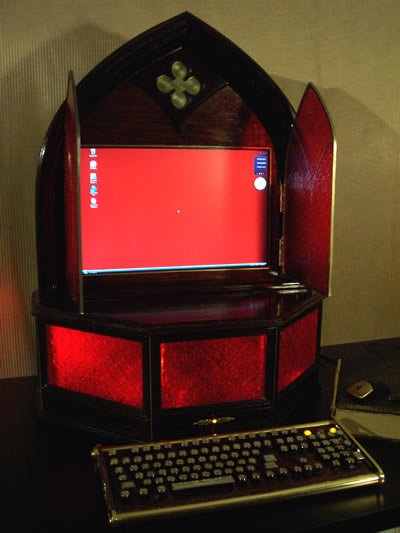
I then introduce the chicane to define said human
intervention in both "ancient/traditional" and "modern" forms of divination.
2. The Internet/Devices
I then move on to my area of study, the internet, or more loosely, our devices. I describe how our devices and interactions with the internet have become spaces for divination. I further explain the way our identities, beliefs and values are increasingly influenced by the internet. Particularly in the age of algorithmic information technology, we are at risk of our realities being manipulated by external forces.
3. Technoculture/Speculative Design
Here, I introduce the concepts and methodologies behind Balsamo's writings on technoculture, particularly with the methodology of hermeneutic reverse engineering. I then detail my readings on speculative design as the philosophy that this project will be carried out with. Lastly, tying all this back to divinations on technology, and how it can be used as a subject for speculative design.
My objectives for the research are hereby defined as such:
The desired outcomes will be a series of discursive design artefacts that aim to accomplish a few
goals:
Firstly, to make the audience aware of their own experiences of divination and meaning-making.
Secondly, to encourage criticality towards the forces that govern the signs and symbols that they
interact with daily.
Lastly, through the lens of speculative design, explore how divination can be reimagined as a tool for
social change.